
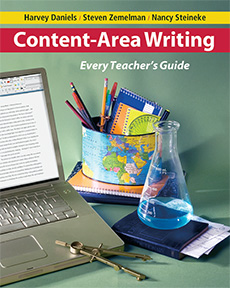
One thing that separates humans from, well most animals, are the tools of the trade. That’s no different for a teacher. Resources can help any teacher and the bigger the toolbox, the better the teacher. In my Literacy in the Content Classroom, we used two texts When Kids Can’t Read by Kylene Beers and Content-Area Writing by Harvey Daniels, Steven Zemelman, and Nancy Steineke, both of these were great inspirations. They helped me decided not just what to assign, but also how to assign it. Some of these tasks are very complex, and I was no way ready to attempt a lot of these things my first year, and maybe not for my first few years, but there are great ideas in here, especially when I have that dreaded “five minutes before the bell rings, and you’ve gotta pull something out of your as—uh, hat.”
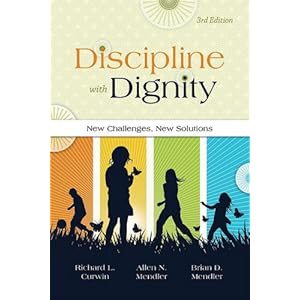
While I wasn’t always able to follow it to the letter, Discipline with Dignity by Richard L. Curwin, Allen N. Mendler, and Brian D. Mendler, at least gave me something to aim for when it came to dealing with troublesome students. Discipline was by far one of the most difficult tasks for this first year teacher. I didn’t want to shame, embarrass, or turn students off from learning, but I also wanted to be tough and respectful. Sadly, I rarely came across as any of those, but like most things, it’s a work in progress. Luckily, I had supportive administrators, but everyday was still a battle of motivation, management, and mitigation.
A strength I picked up early on was to connect my world to the classroom, and I usually used a handful of websites to help me in the classroom. Youtube.com should be an obvious resource. I had access to a Smartboard, and there’s something on there that links with just about everything. I used it to show videos of space shuttles launching, 1980s rap videos, and an interview with author Sandra Cisneros.
Time.com and NPR.org were great sources for finding articles about our culture and current headlines that I would use either to have students write about their world or open up a class discussion. I imagine great teachers can get even more in-depth than I did and go beyond content and discuss the way those types of news items have a different story structure than an essay, short story or poem.
If something has to be cobbled together in a pinch, Google is a limitless resource of finding teacher made videos and Power Points. First semester I would struggle to put together slide shows for note taking, until a teacher told me to search Google for ones already made. With a little tweaking I could make many of them fit, and every one I used was better than anything I could have created.
I kept my eyes and ears open to the world. When Osama Bin Laden was killed, I used that as a journal entry. When the Tsunami hit Japan, we watched videos, wrote and discussed the scenario. Don’t leave the world out of your classroom, it’s the best resource you have.

I hope that classroom management becomes less of issue for you this year. Typically it does during your 2nd and 3rd year because you are more confident in what and who you are teaching. The easiest things to remember are set up clear expectations (now you know what you care about), be consistent about following through, and always talk to students with respect. The difficult thing is that it's all about the moment so you have to use your improvisational skills to deal with every interaction.
ReplyDelete